CRM for sole traders in the trades: do you really need one?
A CRM can transform repeat business for a tradesperson — or it can be an expensive distraction. Here's how to decide if you need one, and what to look for.
Published 10 May 2026
What is a CRM and why do tradespeople need one?
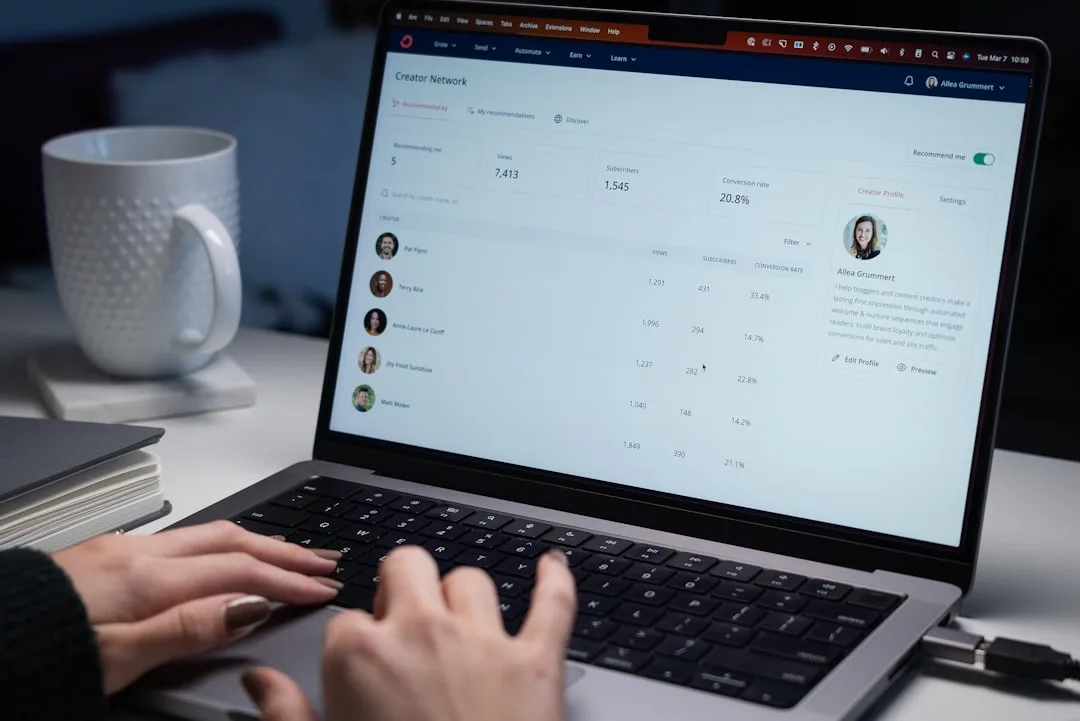
CRM stands for Customer Relationship Management. In plain terms, it's a system for recording information about your customers — who they are, where they live, what work you've done for them, and when you last spoke. In a large business, a CRM might cost tens of thousands of pounds a year. For a sole trader, it can be a spreadsheet.
The question is not whether you need to manage customer relationships — you absolutely do — but whether you need dedicated software to do it.
The case for a CRM in the trades
Here is why a CRM pays its way for a sole-trader tradesperson with a growing customer base:
- Repeat business: If you know that Mrs Davies at 42 Church Lane last had her boiler serviced in October 2023, you can send her a reminder in September 2024. Without a record, that opportunity is invisible.
- Referral tracking: Knowing which customers have referred new business to you tells you who your most valuable relationships are.
- Professional communications: Being able to address customers by name, reference past jobs, and send timely reminders makes you look more professional than 90% of your competitors.
- Quote follow-up: A CRM with quote tracking tells you which outstanding quotes haven't been accepted — so you can follow up at the right time rather than losing jobs through inaction.
When it's overkill
If you're doing fewer than 100 jobs a year and your customers are a small, consistent group who call you directly, a CRM is probably unnecessary. A simple spreadsheet or even a well-organised contacts list in your phone is sufficient.
The tipping point is usually when:
- You're losing track of which customers you haven't heard from in a while
- You're forgetting to follow up on quotes
- You're spending time re-entering the same customer details into different tools
Lightweight options that work for sole traders
- A Google Sheet: Free, accessible anywhere, customisable — the minimum viable CRM
- Notion or Airtable: More structured, good for tagging job types and setting reminders
- Purpose-built trade software: OnMyVan includes built-in customer records alongside quotes, invoices, and your public profile — so your customer data lives in the same place as your job admin
The key habit, whatever tool you use
A CRM is only as good as the data you put into it. The most important habit is filling in a brief customer record immediately after completing every job — name, address, job type, date, and any notes. It takes two minutes. Done consistently for a year, it gives you a genuinely valuable asset: a database of real customers who've trusted you with work in their homes.