Should you go VAT registered as a sole trader tradesperson?
VAT registration is compulsory above £90,000 turnover — but is it worth registering voluntarily before you hit the threshold? Here's how to decide.
Published 10 May 2026
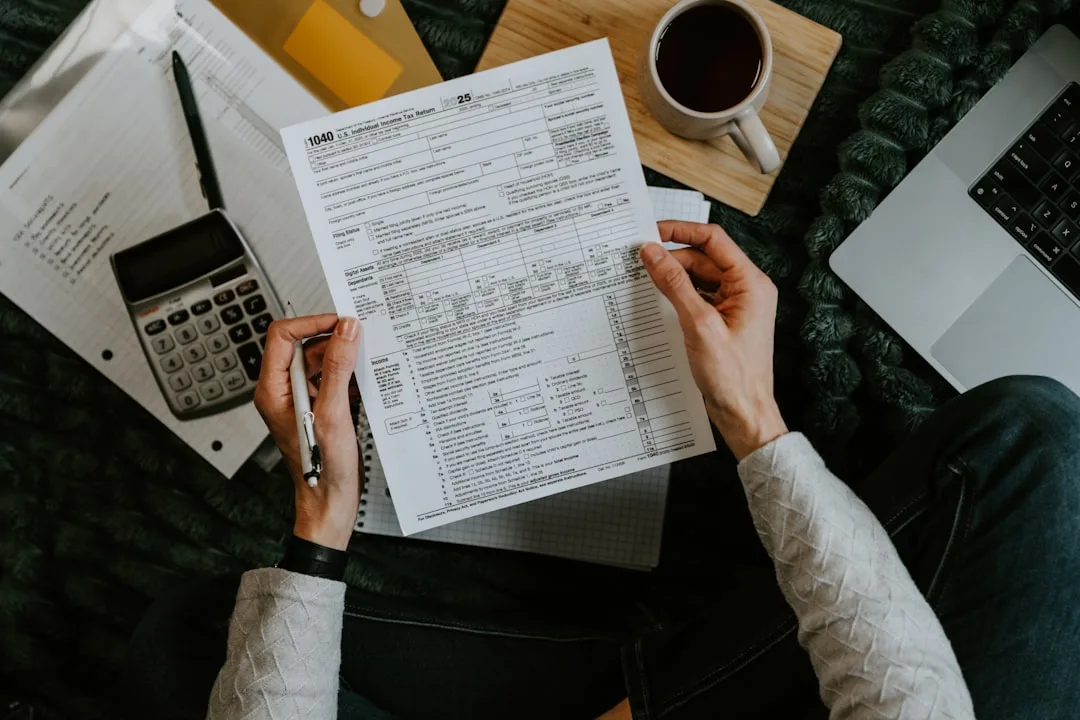
The VAT threshold in 2025
You must register for VAT with HMRC if your taxable turnover exceeds £90,000 in any 12-month rolling period (the threshold was raised from £85,000 in April 2024). Turnover means all business income — labour plus materials, before any deductions. Once you breach this threshold, you have 30 days to notify HMRC and must start charging VAT.
The pros of VAT registration
Reclaim input VAT
Once registered, you can reclaim the VAT on everything you buy for the business: van, tools, materials, software, fuel. For a tradesperson spending £20,000 a year on materials, that's potentially £4,000 back from HMRC each year — which is significant for a sole trader.
Voluntary registration signals credibility
For tradespeople who work primarily with commercial clients, being VAT registered is often expected. A VAT number on your invoice signals that you're a serious, established business rather than a cash-in-hand operator.
Claim historic VAT
When you first register, you can reclaim VAT on goods you still have in stock (up to 4 years ago) and on services received in the 6 months before registration, subject to conditions. This can produce a useful first-year windfall.
The cons of VAT registration
Residential customers can't reclaim VAT
The biggest downside for tradespeople who work mainly for homeowners: your customers cannot reclaim the VAT you charge them. Adding 20% to your prices either makes you less competitive or reduces your effective margin if you absorb it. A plumber charging £350/day becomes £420/day inc. VAT — a significant jump for a domestic customer.
Admin burden
VAT registration means quarterly VAT returns (now via Making Tax Digital, requiring compatible software), accurate record-keeping, and the risk of penalties if you get it wrong. This typically means paying your accountant more.
The VAT Flat Rate Scheme
If you turn over less than £150,000 (ex-VAT), you can use the Flat Rate Scheme. Instead of calculating VAT on every transaction, you pay HMRC a fixed percentage of your gross (VAT-inclusive) turnover. For plumbers and electricians, the FRS rate is typically 14.5%. In some cases this generates a small net benefit — you collect 20% VAT from customers but pay HMRC less. Speak to your accountant to see if the numbers work for your specific trade and overhead level.
Should you register voluntarily?
Voluntary registration makes sense if:
- Most of your customers are VAT-registered businesses (they can reclaim it anyway)
- You have high material costs and the input VAT reclaim is significant
- You're approaching the threshold and want to spread the transition
It does not make sense if most of your work is for residential homeowners and your material costs are relatively low. The admin overhead and competitive pricing impact outweigh the input VAT benefit in most such cases.
Always take advice from a qualified accountant before registering — or withdrawing from registration.